
The women taking control of the drill rig

A CSR initiative is training young women from rural communities in India for one of surface mining's most demanding roles.
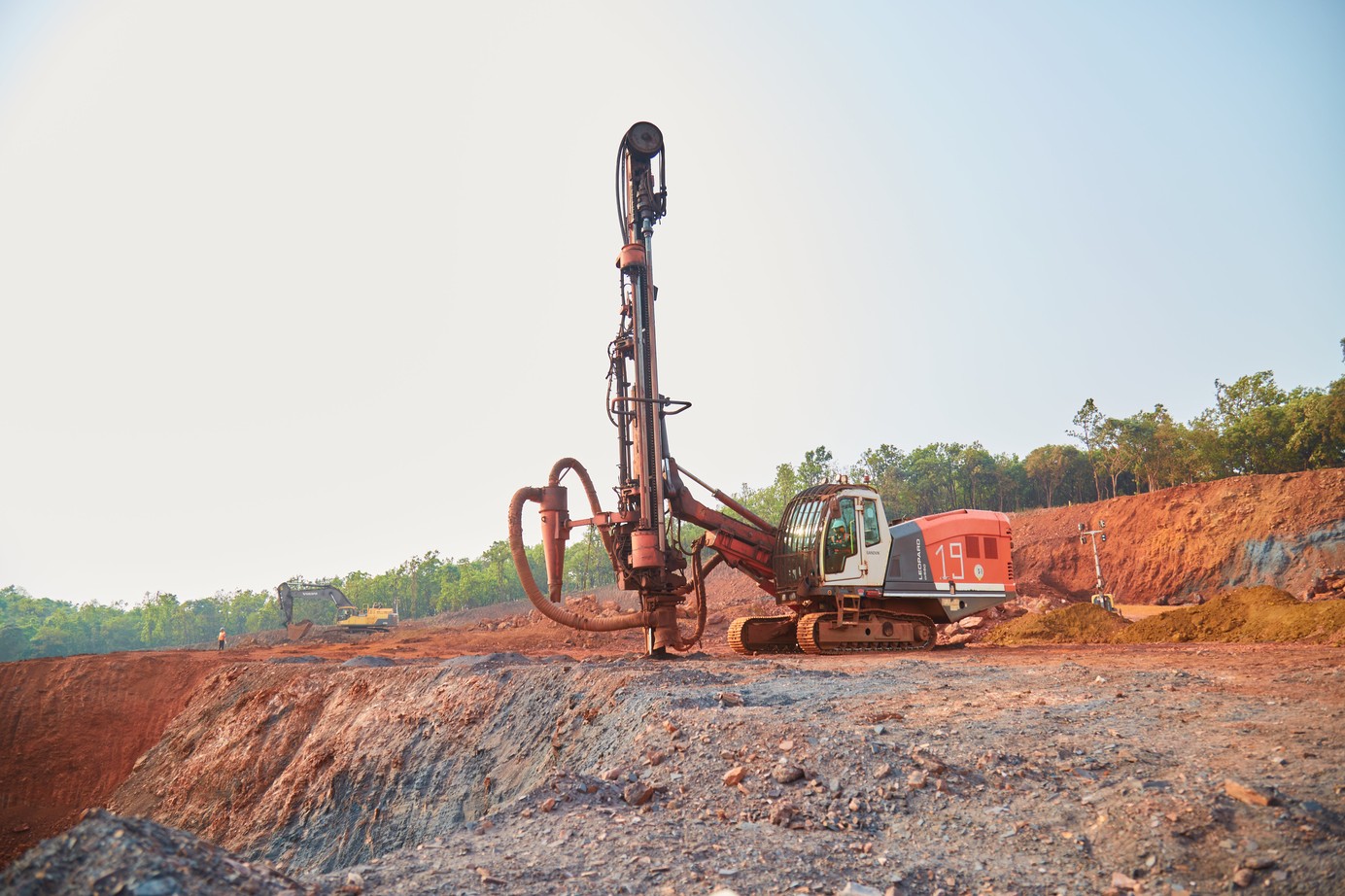
When Seema Rani Mahanta first saw the surface drill rig, she was nervous. The machine was large, unfamiliar and nothing like anything she had operated before.
Then she reconsidered.
"If girls can operate huge aircrafts, this machine is nothing in comparison!" she says. "That's how we gained our confidence."
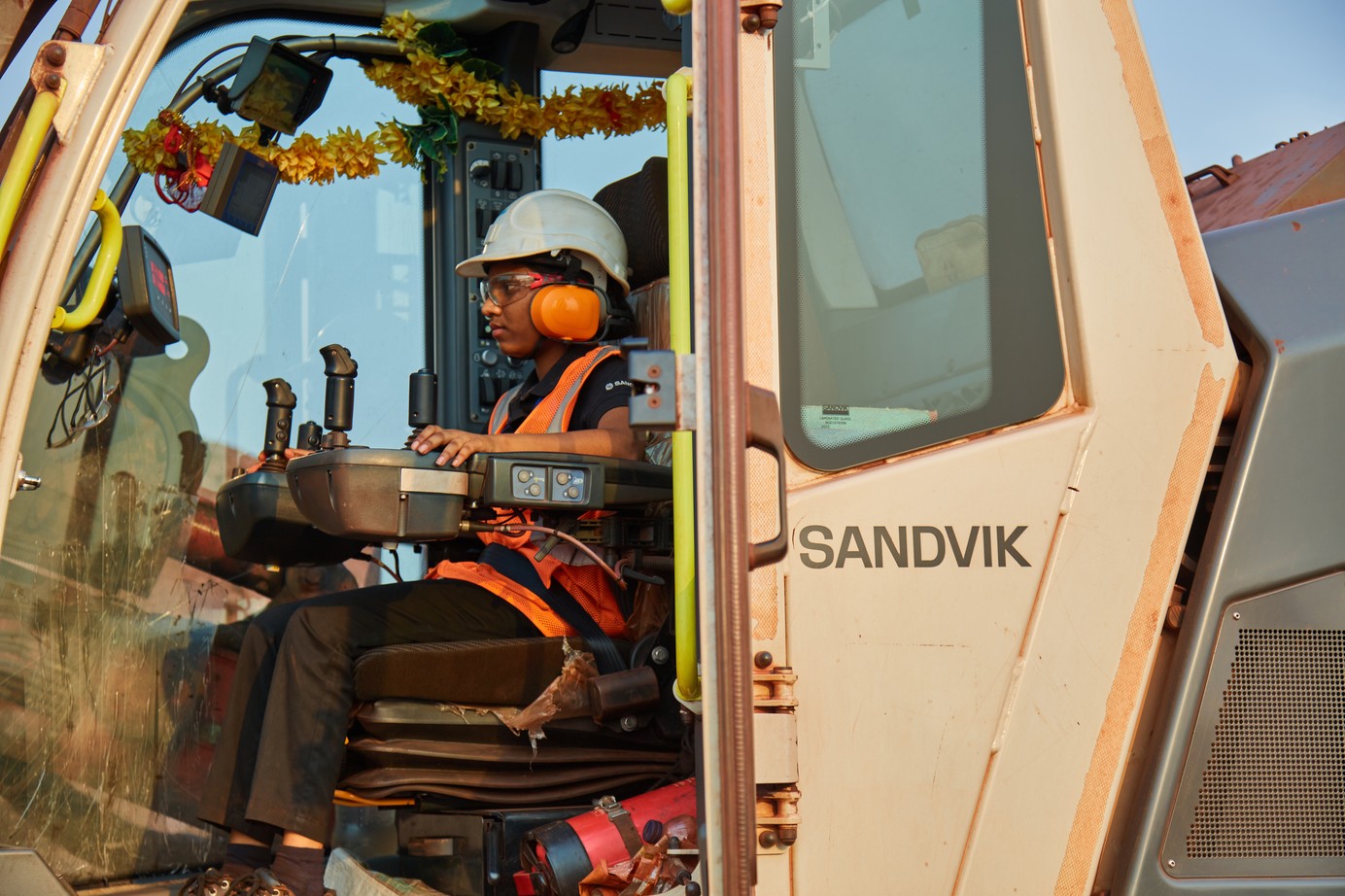
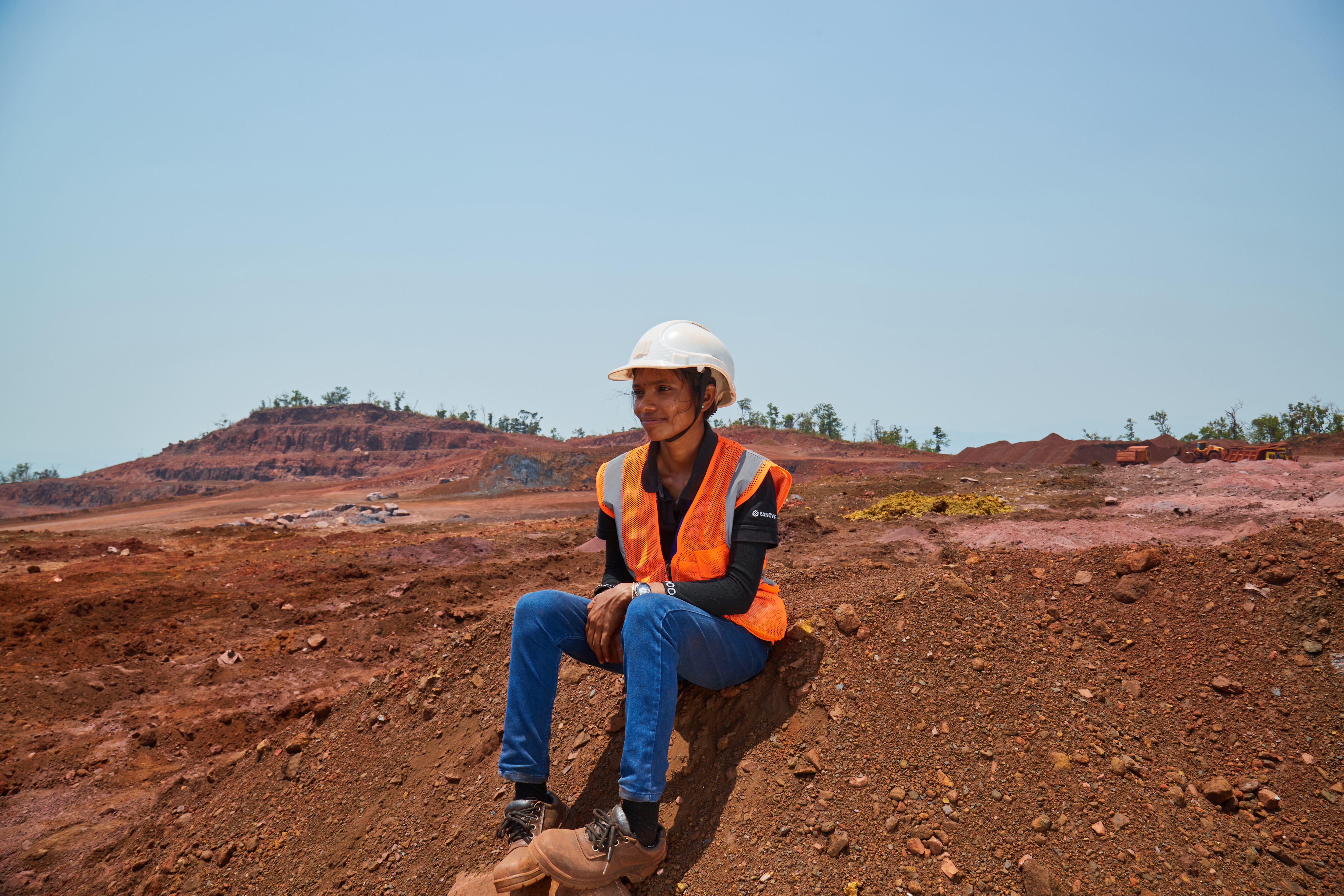
Seema Rani is one of 15 young women from rural communities trained to operate surface drill rigs. The Keonjhar district in Odisha sits at the heart of India's largest iron ore belt, a region built around active mine sites. However, for women living close to the mines, the industry has historically meant informal labor at the margins, rarely skilled work at the core.
Sandvik, in partnership with iron ore producer KCCL and implementation partner TeamLease Foundation, set out to build that pathway. The result has been a year-long training program for young women from communities close to KCCL's mine sites, designed in a way that leads to sustained employment as surface drill rig operators. The program seeks to address a social gap while also responding to a significant skills need in the industry.
A first-of-its-kind program
The first in India to train women for drill rig operation, the program mirrors real-life operator certification requirements. It began with technical theory, then moved to Sandvik drill rig simulators where participants learned machine systems, cabin controls and operating procedures and finally progressed to supervised live operation in the field.
By the end of the training, all 15 participants received their government drilling licenses and are now employed by KCCL at active mine sites. Pinki Priyadarsini Behara says "I'm now confident I can work both day and night shifts. I have a stable job and I will be able to fulfill my dreams."
I have a stable job and I will be able to fulfill my dreams.
For Astami Singh, the shift is both professional and personal. "My license got approved and I can professionally operate the machine. I can take care of my own expenses independently and I don't have to ask anyone for help."
From labor to skills category
Independence is central to the impact of the program. Stable skilled work can influence household finances, expectations within families and the ambitions of young girls who see women taking on technical roles in an industry that has predominantly been male dominated.
"If you empower one woman, you empower the entire community," says Arpana Srivastava, Deputy General Manager, HR at KCCL. The first cohort was formally recognized at a ceremony in January 2026. Sandvik has committed to training an additional 20 women across different mine sites as part of its CSR program for the coming year. "We are turning it into a skill category," says Dr. Soumya Ranjan Samal, Chairman and Managing Director at KCCL. "The indigenous women in the mining sector usually work in different labor categories — but this changes that."
As mining becomes more advanced, the sector needs more skilled operators who can work safely and confidently with complex equipment.