
Young inventors take on biodiversity at First LEGO League
More than 350 young people aged 6 to 16 filled the National Museum of Science and Technology in Sweden to build, code and rethink how technology can help protect biodiversity.
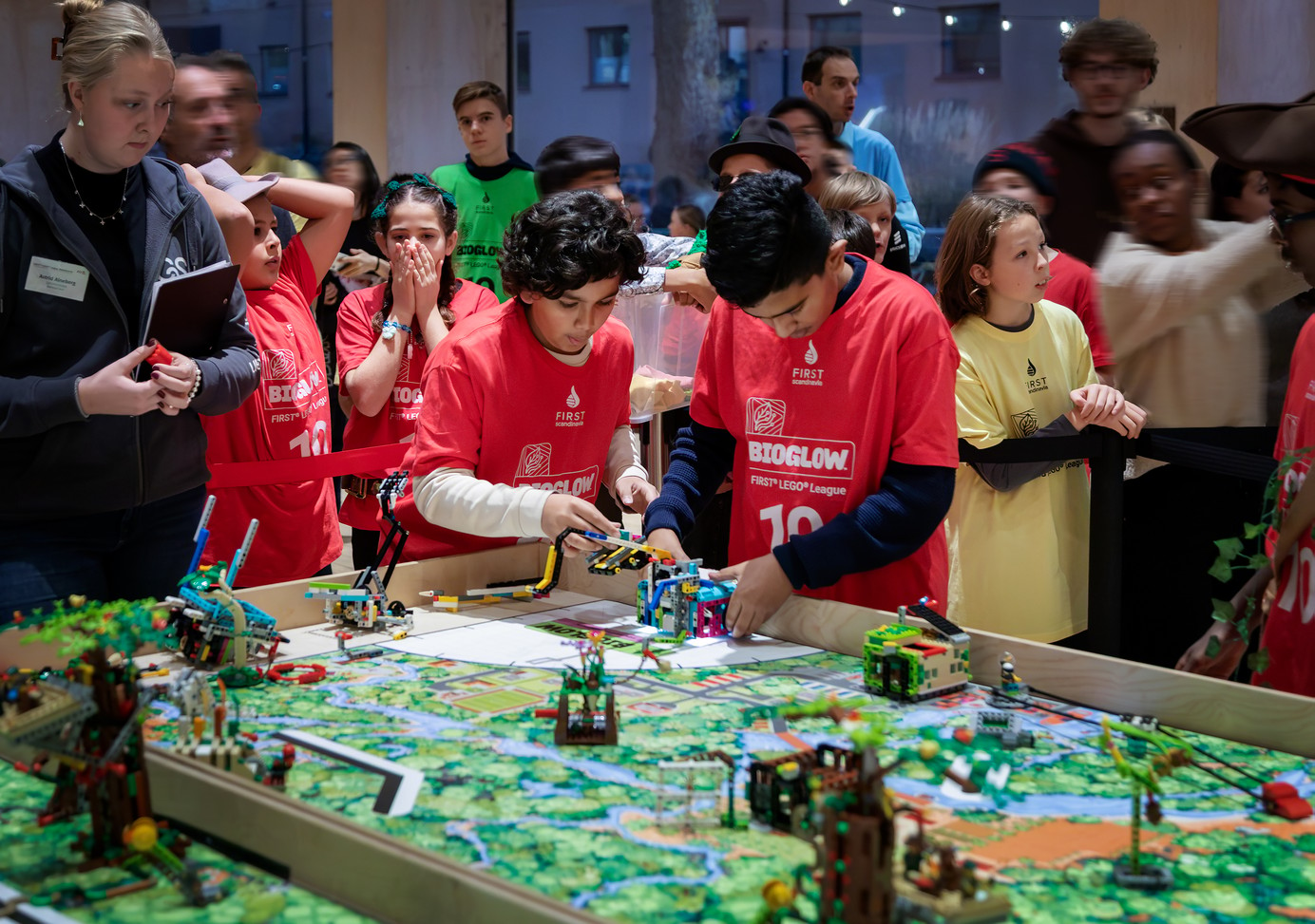
This November, more than 350 participants aged 6 to 16 came together at the National Museum of Science and Technology (Tekniska Museet) in Stockholm for the regional final of FIRST LEGO League, one of the world's largest international science and technology competitions for children. The event invites young problem-solvers to explore science, technology, engineering, arts and mathematics through hands-on challenges.
This year’s challenge was something scientists, governments and companies are still working on — how to protect biodiversity, the variety of life that every ecosystem, and every person, depends on.
"On the final day of First Lego League, you see how far you can go with joy, competition nerves, creativity and teamwork," says Peter Skogh, Museum Director at Tekniska museet.
Engineering solutions for biodiversity
This year's theme, BIOGLOW, focused on biodiversity and the role technology can play in understanding and protecting the natural world.
After weeks of preparation, teams put their ideas into practice through two challenges. In the robotics competition, participants designed and programmed LEGO robots to navigate a game board and complete missions. For their innovation projects, they identified real-world threats to biodiversity and developed original solutions.
The competition combines scientific research with hands-on engineering. Students must identify problems, experiment with different approaches and improve their designs when something doesn't work.
From after-school practice to the finals
For participants, the journey to Stockholm begins long before the competition.
At Rapatac, an activity center in Sandviken supported by Sandvik, a team of 12 students spent their afternoons preparing for the regional final. After school, they came together to build, programme, test and refine their robots.
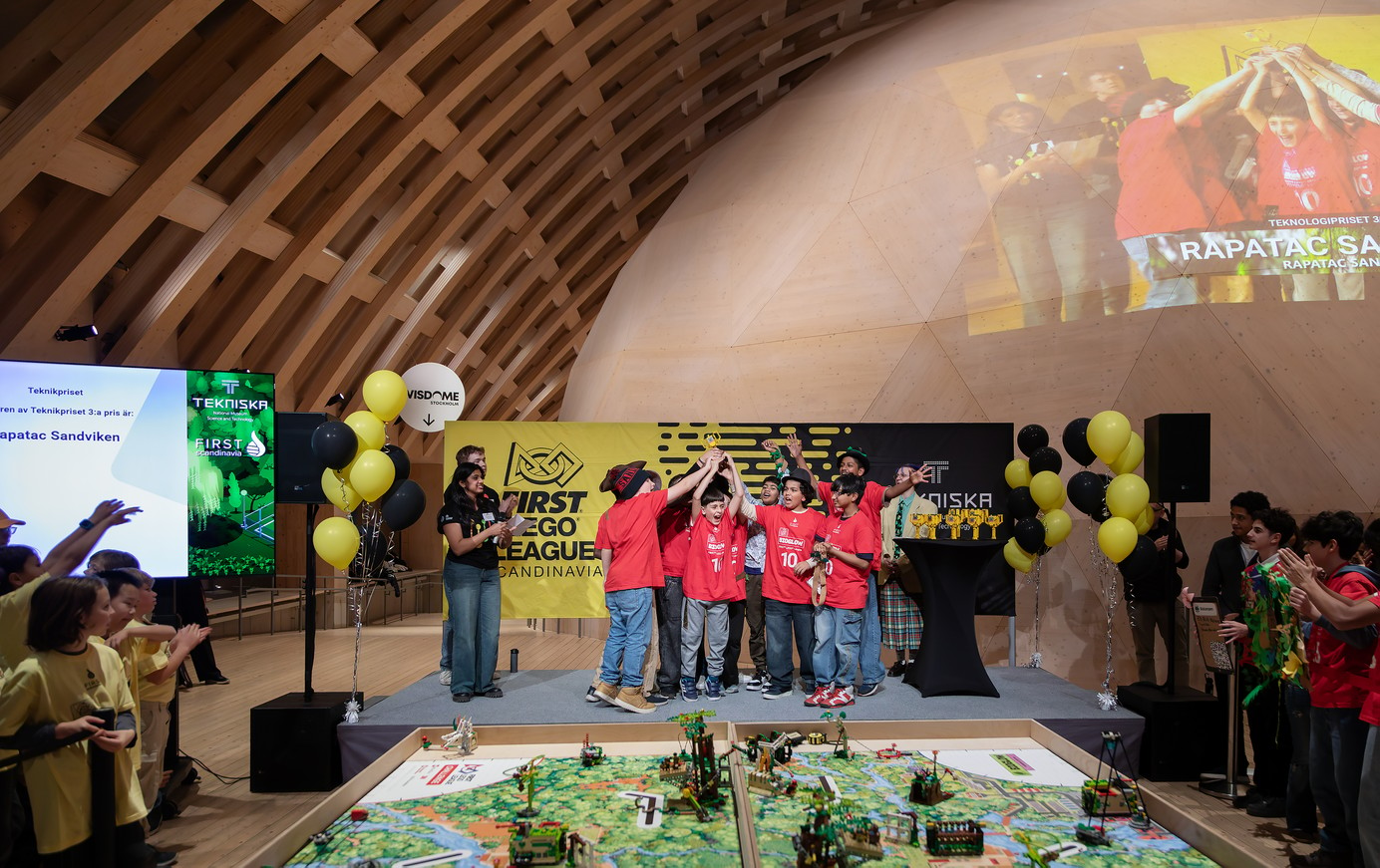
Their participation demonstrates how opportunities to explore technology outside the classroom can help students develop new interests and skills.
We’ve dedicated a lot of time, at least four hours a day
“We’ve dedicated a lot of time, at least four hours a day,” says Likhit Muthineni, a student and Rapatac team member.
The competition also welcomed a team from Tekniska museet's branch in Tensta, where children meet weekly after school to explore robotics and programming.
Both initiatives reflect a wider ambition, to make science and technology accessible to more young people, regardless of where their interest begins.
Inspiring the next generation of engineers
FIRST LEGO League introduces young people to the concepts of engineering: asking questions, developing solutions, working together and learning through trial and error. Among those supporting the event were second-year students from Göranssonska Skolan in Sandviken, a technical high school established by Sandvik and Sandviken Municipality. Volunteering at the competition gave them an opportunity to support younger participants who are beginning to explore some of the subjects they are now studying.
The fact that they just made these robots and programmed them is just super impressive
“The kids are really competitive. The fact that they just made these robots and programmed them is just super impressive,” Martin Andersson Gaddenius, a final year student at Göranssonska Skolan and volunteer.
For Sandvik, supporting events like FIRST LEGO League is part of a long-term commitment to encouraging interest in science and engineering. The company has been an innovation partner to Tekniska museet since 2017, with the shared ambition of inspiring more young people to pursue technical education and careers.
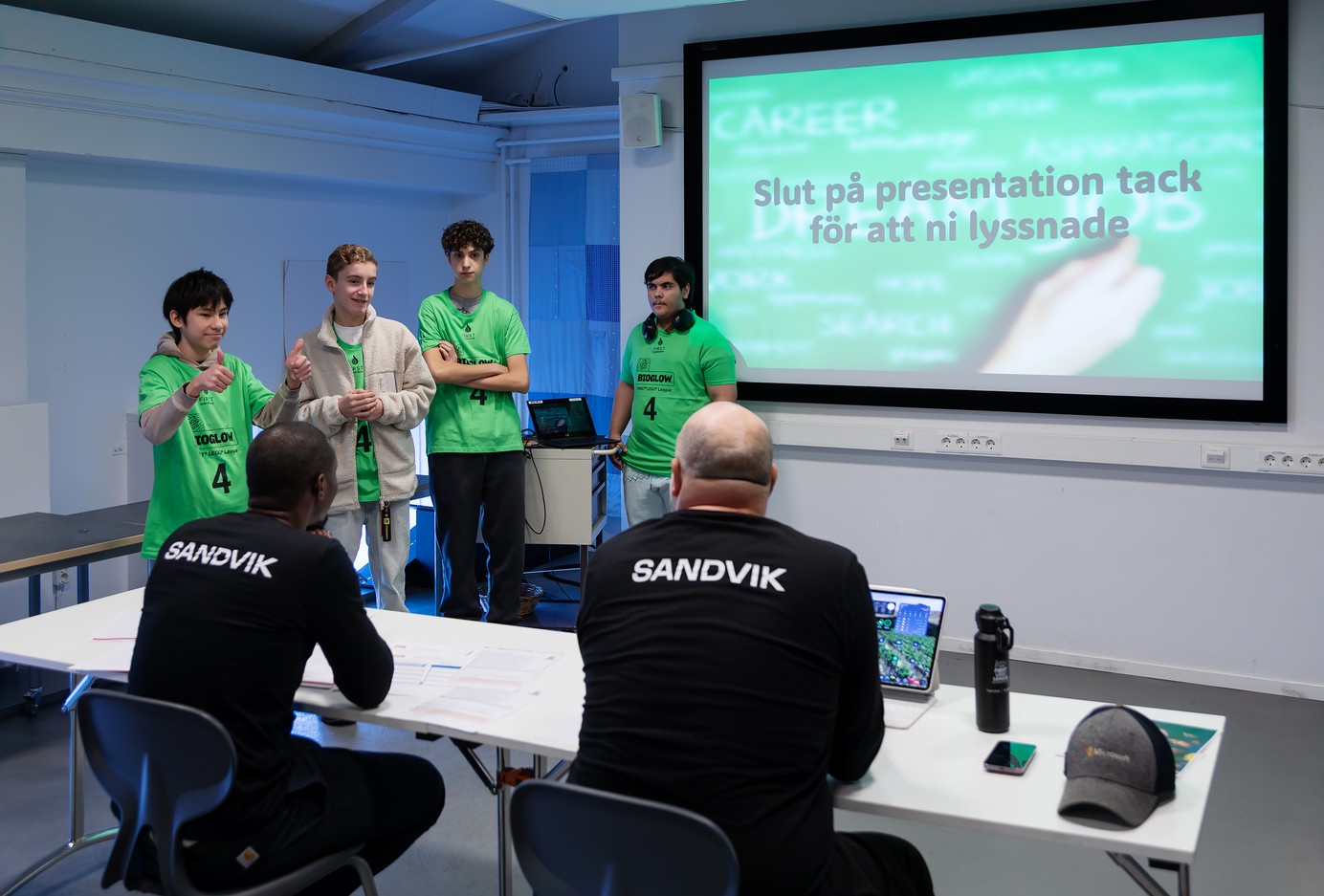
Mats Lundberg, Head of Sustainability at Sandvik, believes the exchange of ideas benefits everyone involved.
"Inspiration goes both ways. The participants approach problems in new ways and find creative solutions that give us fresh perspectives too," he says.
Where curiosity can lead
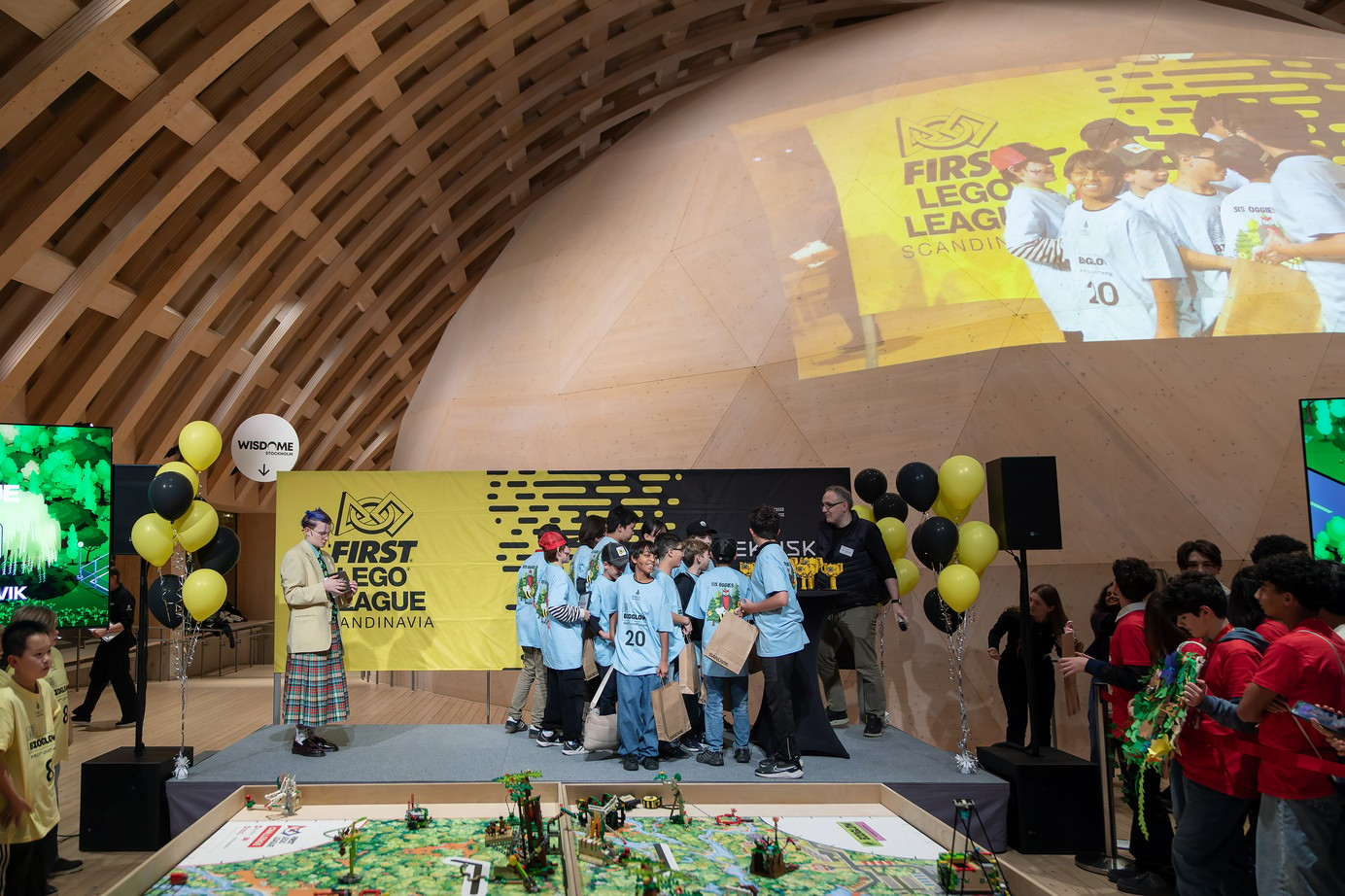
The regional final concluded with an awards ceremony, with winning teams earning the opportunity to advance to further stages of the competition.
The Stars were named overall champions, with Soldala Tech Titans taking second place. VRS Jarlaplan 1 won the Innovation Project Award, while Soldala Tech Titans secured first place in the Technology Award. SIS Oggies received the Sandvik Award.
While the competition celebrates achievement, its wider value lies in giving young people an opportunity to discover what they can do with science and technology.
For some, that interest may eventually lead to a career in engineering. For others, the experience offers new skills, greater confidence and a different way of approaching problems.