
The hidden technology driving the future of manufacturing
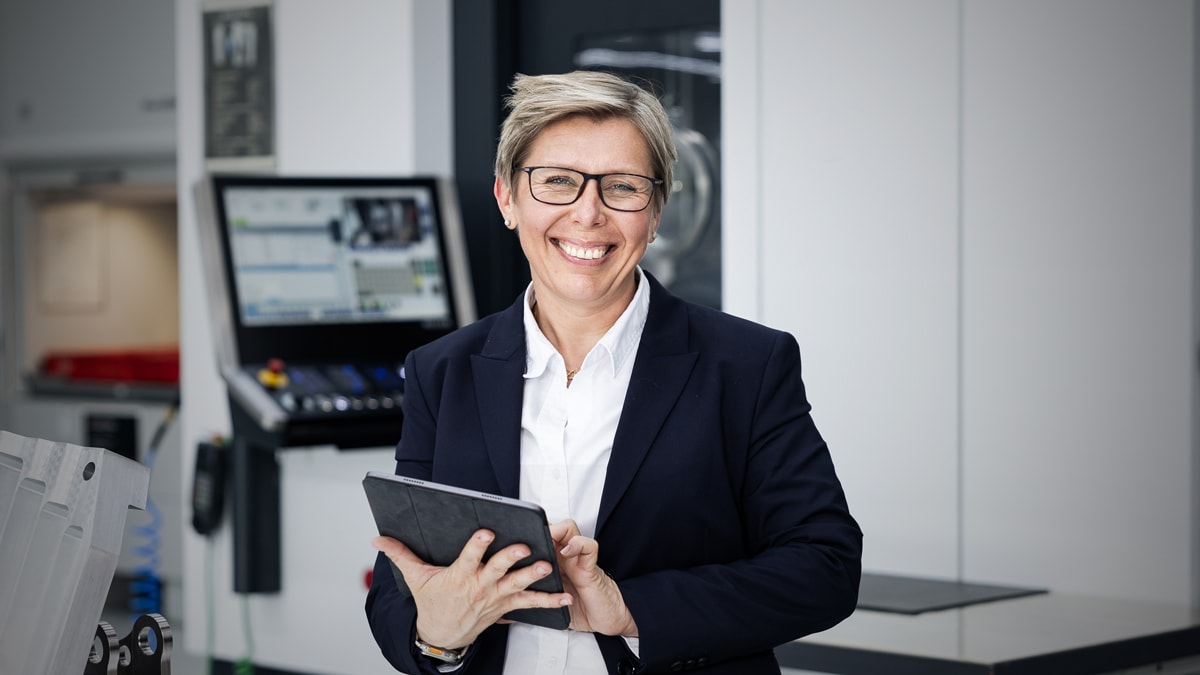
Manufacturing is entering into a new era, where quality is no longer checked at the end of production but built into every step. According to Karolina Malyska, Vice President of Product Strategy and Innovation at Metrologic DCS, the key to that shift is metrology.
Episode 69
The Hidden Technology Driving the Future of Manufacturing
Often described as the science of measurement, metrology plays a much bigger role than its definition suggests. Malyska calls it "a validation engine" that connects engineering intent with real-world results, helping ensure safety, reliability and performance in everything from aircraft components to medical implants and automotive manufacturing. And in the intelligent factory, its role goes further: metrology becomes the nervous system of the factory — sensing what happens at every stage, feeding that information back in real time, and letting the process correct itself before a single defective part is produced.
As manufacturers face rising demands for productivity, sustainability and flexibility, new technologies are moving quality control into the production flow itself. The result is less waste, fewer defects and smarter use of resources.
At the center of this shift are digital twins, AI and the digital thread: a connected flow of information linking design, production and inspection. Together, they create a learning manufacturing environment where insights can improve decisions in real time — and open the door to digital product passports that make maintenance predictive, recall surgical and circularity trustworthy.
For Malyska, the real breakthrough is not single technology, but integration. Asked which technology will change manufacturing the most, her answer is clear: "It's not technology, it's a connection. I think everything is in place. We just need to connect the dots."
Automation will continue to reshape factories, but the future is not about replacing people. Technology absorbs the repetitive handovers so people can focus on analysis, judgement and improvement — while humans remain accountable for safety-critical decisions.
Her prediction for the factory of 2040 is captured in one word: learning. Factories will not simply make products. They will generate knowledge that drives better design, smarter maintenance and more sustainable manufacturing.
Discover more podcasts:
- When everyone has AI, what matters?
- Smarter software for smarter manufacturing
- Culture is what remains when everything else changes
In each episode of the podcast Meet Sandvik you will meet different persons that give their perspective on Sandvik. Sometimes it´s an employee telling his or her story. Sometimes you will meet experts discussing how a hot topic can affect Sandvik.