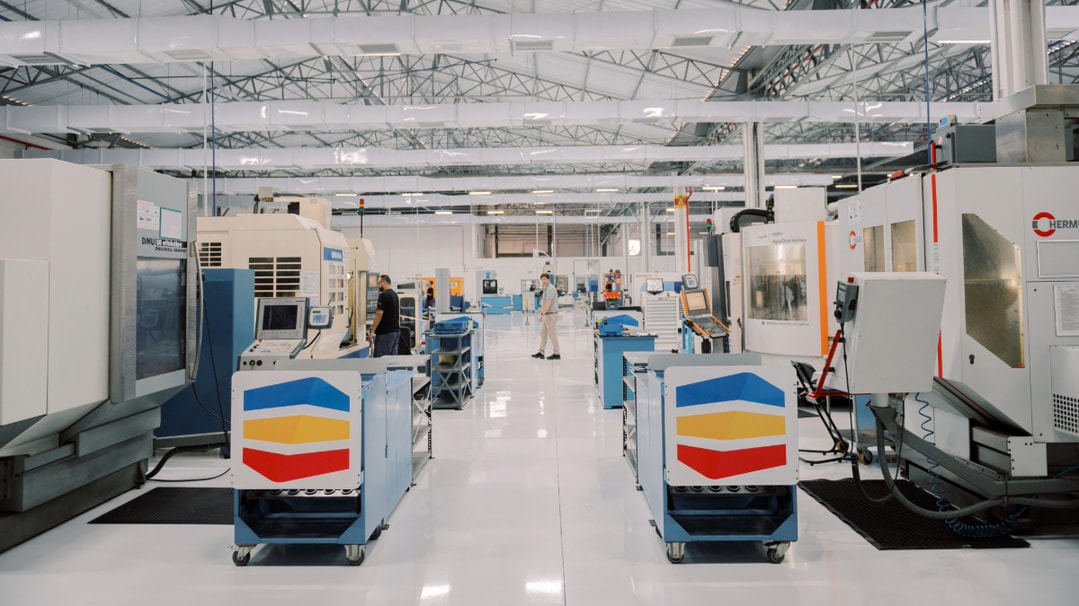
South America’s diversified giant
Brazil dominates the South American economy, accounting for roughly half of the region’s population, territory and GDP. It is also the continent’s most diversified economy.

The country combines vast mineral and energy resources with a manufacturing sector dating back to the phase of rapid industrialization in the 1950s. Today it hosts major automotive and aerospace production, including Embraer, one of the world’s largest aircraft producers and a customer of Sandvik. Mining giant Vale, headquartered in Brazil, is one of the largest customers globally for Sandvik. State-owned energy giant Petrobras is an important customer for Sandvik machining solutions, along with agricultural machinery maker John Deere and industrial process supplier Valmet.
To mining equipment suppliers, Brazil offers significant growth potential, with the government expecting USD 77 billion in mining investments between 2026 and 2030, particularly in critical minerals.
Brazil has a large, diversified and regionally concentrated manufacturing sector with globally strong companies within automobiles, aerospace, food processing and chemicals, and growing pockets of advanced manufacturing. However, it has limited integration into high-end global value chains and uneven adoption of Industry 4.0 technologies.
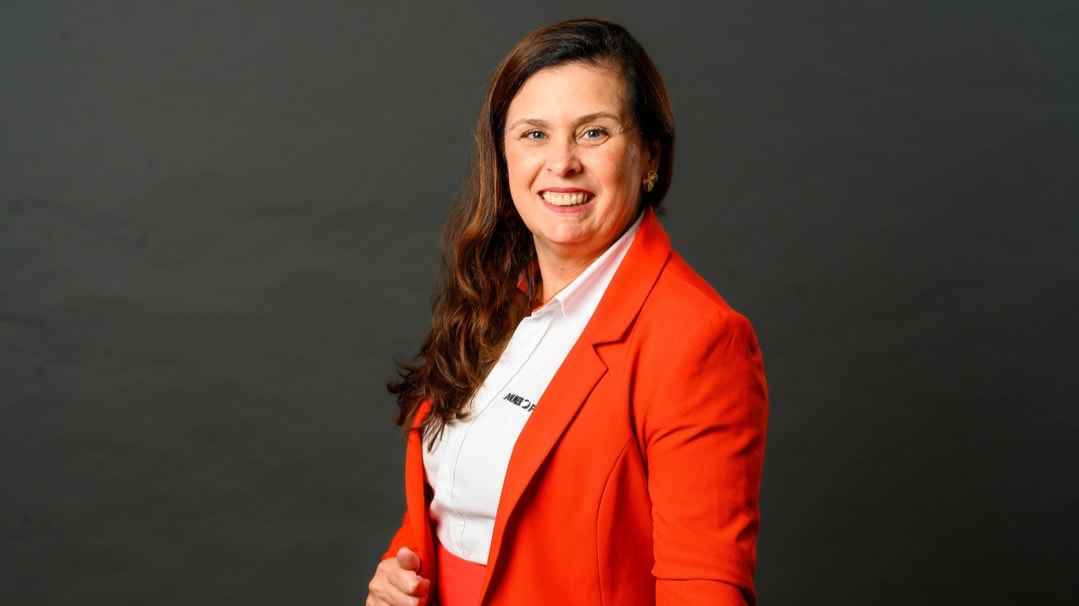
Sandvik business areas Mining, Machining and Rock Processing are all present in Brazil. Alexandra Freitas, Managing Director of Sandvik Holding Brazil in combination with her role as VP HSS/Solid Round Tools at Dormer Pramet, says:
In 2025, order intake grew by 32 percent, mainly driven by the mining operations which represent a major share of sales.
Dormer Pramet is one of the machining brands with operations in Brazil, the others being Sandvik Coromant, Seco and Walter. In Sāo Paulo, Dormer Pramet operates the largest high-speed steel (HSS) drills production unit within Sandvik Group globally, producing about 40 million pieces annually.
“More than 65 percent of the production is sent to Europe, Asia, and America while the remainder is distributed to the local markets,“ Freitas says. “Seco Tools also operates a production unit in Sorocaba, dedicated to solid carbide tool reconditioning as well as tool manufacturing.”
Bridging Brazil’s manufacturing technology gap
The adoption of new manufacturing technologies has been relatively slow compared to other emerging industrial markets and developed economies.
Claudio Camacho, Managing Director at Sandvik Coromant in Brazil describes the technology gap as “two different realities in Brazilian manufacturing”, and he believes Sandvik has an important role to play in bridging the two realities. “We cooperate with manufacturing companies of all sizes and we are well positioned to help more manufacturers digitalize.”
"We are on a journey, moving more and more towards automation.It is also more sustainable since a new machine requires less energy and is safer,” says Alexandra Freitas who emphasizes the focus on safety at all times.
Pay-Per-Part: paying only for finished parts
Claudio Camacho points out that Brazil has become the largest single market for the Pay-Per-Part solution from Sandvik Coromant, where customers purchase not just tooling but a digital service package. Sandvik manages tooling, logistics and optimization while manufacturers pay per finished component.
“The customer receives high-quality components while paying only for the produce parts,” Camacho explains.